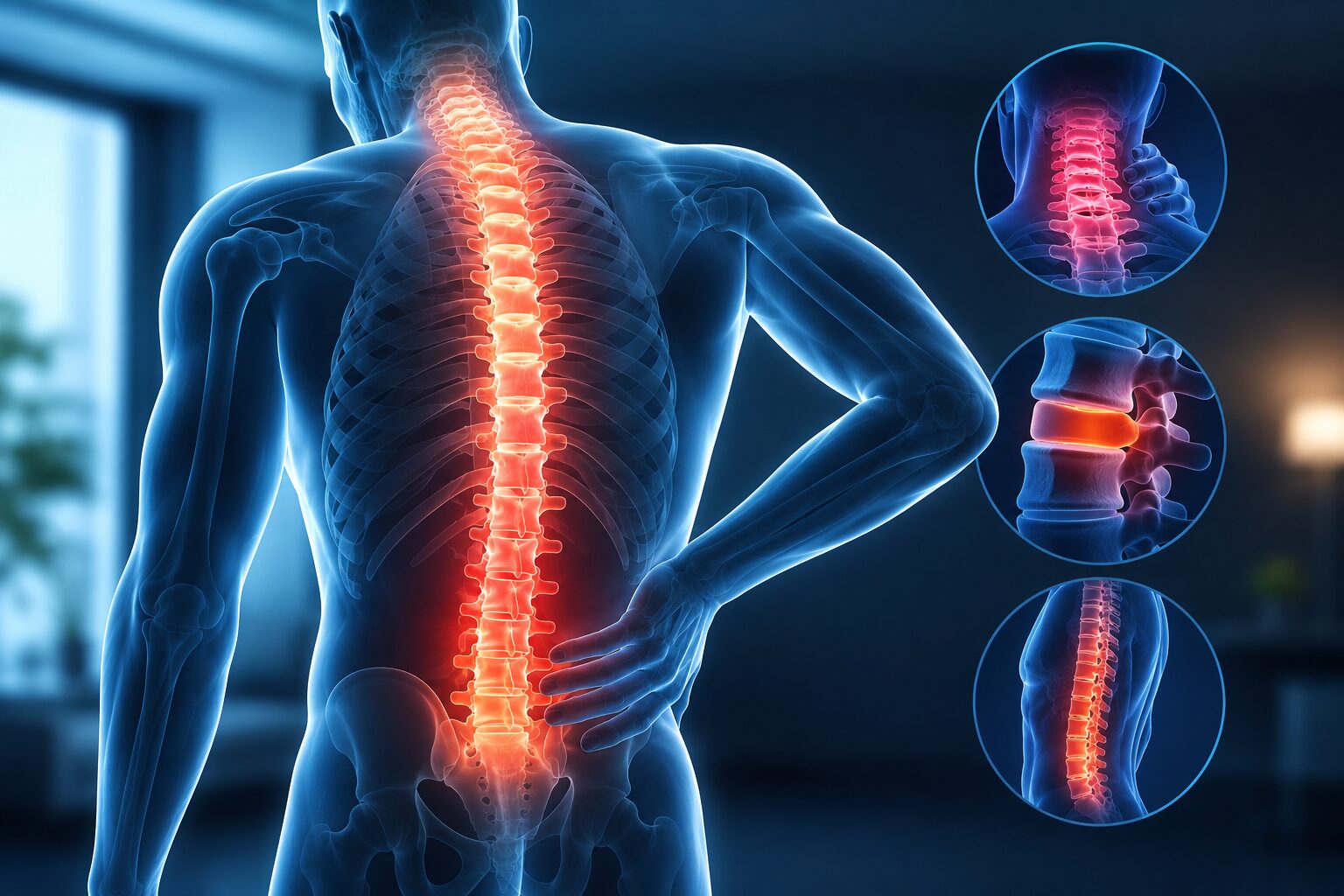
Your Guide to Safe and Effective Treatment for Spine Problems in 2026
Back and neck problems are becoming increasingly common due to long working hours, poor posture, sedentary lifestyles, sports injuries, and age-related spinal conditions. While occasional discomfort may improve with rest, persistent pain should never be ignored. Seeking expert medical care at the right time can help prevent complications and improve your quality of life.
If you’re looking for a trusted Spine Specialist in Pune, understanding your treatment options is the first step toward recovery. Whether you are dealing with a slipped disc, chronic back pain, spinal stenosis, or a spinal injury, advances in spine care in 2026 offer safer, faster, and more effective treatment than ever before.
Why Is Spine Health So Important?
Your spine supports your body’s structure, protects the spinal cord, and enables movement. Even a minor spinal issue can affect your daily routine, mobility, and overall well-being.
Common spine problems include:
- Herniated (slipped) disc
- Sciatica
- Chronic lower back pain
- Neck pain
- Spinal stenosis
- Degenerative disc disease
- Scoliosis
- Spine fractures
- Spinal infections
- Spine tumors
Ignoring symptoms may lead to worsening pain, nerve damage, weakness, or reduced mobility.
What Are the Common Signs That You Should See a Spine Specialist?
You should consult a spine expert if you experience:
- Persistent back or neck pain lasting several weeks
- Pain radiating to the arms or legs
- Numbness or tingling sensations
- Muscle weakness
- Difficulty standing or walking
- Loss of balance
- Pain after an accident or fall
- Bladder or bowel control issues (medical emergency)
An experienced Spine Specialist in Pune can accurately diagnose the cause and recommend the most suitable treatment plan.
Why Choosing the Right Spine Hospital Matters
Selecting the right Spine Hospital plays a significant role in successful treatment. Modern hospitals provide access to advanced diagnostic tools, experienced specialists, minimally invasive surgical techniques, rehabilitation services, and multidisciplinary care under one roof.
A quality Spine Hospital typically offers:
- Digital X-rays
- MRI and CT scans
- Neurological assessments
- Physiotherapy
- Pain management
- Spine rehabilitation
- Minimally invasive spine surgery
- Emergency spinal trauma care
Comprehensive care ensures accurate diagnosis and faster recovery.
What Diagnostic Tests Are Used for Spine Problems?
Before recommending treatment, specialists perform a detailed evaluation.
Common diagnostic methods include:
Physical Examination
Doctors assess posture, flexibility, reflexes, muscle strength, and nerve function.
Medical History
Understanding previous injuries, lifestyle, and symptoms helps identify the root cause.
Imaging Tests
Depending on your condition, your doctor may recommend:
- MRI
- CT Scan
- Digital X-ray
- Bone Density Scan
Nerve Function Tests
Electromyography (EMG) and nerve conduction studies help detect nerve compression or damage.
Accurate diagnosis ensures that unnecessary surgery can often be avoided.
What Are the Latest Spine Treatments Available in 2026?
Medical technology continues to improve spinal care significantly.
Conservative Treatment
Many spine conditions improve without surgery through:
- Medications
- Physical therapy
- Lifestyle modifications
- Posture correction
- Weight management
- Activity modification
Pain Management Procedures
Patients with chronic pain may benefit from:
- Epidural steroid injections
- Nerve root blocks
- Radiofrequency ablation
- Facet joint injections
These procedures provide targeted pain relief while reducing inflammation.
Minimally Invasive Spine Surgery
When conservative treatments fail, minimally invasive procedures have become the preferred option.
Benefits include:
- Smaller incisions
- Less blood loss
- Reduced pain
- Faster recovery
- Shorter hospital stay
- Lower infection risk
Common minimally invasive procedures include:
- Microdiscectomy
- Endoscopic spine surgery
- Spinal decompression
- Spinal fusion
- Vertebroplasty
How Can Lifestyle Changes Improve Spine Health?
Medical treatment works best when combined with healthy habits.
Simple lifestyle improvements include:
- Maintaining proper posture
- Exercising regularly
- Strengthening core muscles
- Avoiding prolonged sitting
- Using ergonomic furniture
- Maintaining a healthy weight
- Quitting smoking
- Sleeping on a supportive mattress
These habits reduce stress on the spine and help prevent future problems.
Why Early Diagnosis Makes a Difference
Many spinal disorders gradually worsen over time.
Early treatment helps:
- Prevent nerve damage
- Reduce chronic pain
- Improve mobility
- Avoid complex surgery
- Speed up recovery
- Improve long-term outcomes
Ignoring symptoms often leads to prolonged discomfort and more extensive treatment later.
How Does Rehabilitation Support Recovery?
Recovery doesn’t end after treatment.
A personalized rehabilitation program focuses on:
- Strengthening muscles
- Improving flexibility
- Restoring mobility
- Correcting posture
- Preventing recurrence
- Returning to daily activities safely
Experienced physiotherapists work closely with spine specialists to achieve the best possible results.
When Is Spine Surgery Necessary?
Surgery is generally recommended only when non-surgical treatment does not provide sufficient relief.
Your doctor may advise surgery if you have:
- Severe nerve compression
- Progressive muscle weakness
- Spinal instability
- Persistent pain despite months of treatment
- Loss of bladder or bowel control
- Certain spinal tumors or fractures
Modern surgical techniques are safer than ever and focus on preserving spinal function whenever possible.
How Can You Prevent Spine Problems?
Prevention remains the best treatment.
Follow these healthy habits:
- Lift heavy objects correctly
- Stay physically active
- Stretch regularly
- Maintain ideal body weight
- Strengthen back and abdominal muscles
- Avoid smoking
- Limit prolonged sitting
- Schedule routine health checkups
These measures significantly lower the risk of future spinal disorders.
Where Can You Find Expert Back Pain Care?
If your primary concern is ongoing back pain, explore our dedicated Back Pain Treatment in Pune page to learn about comprehensive diagnosis, non-surgical therapies, and advanced treatment options designed to help you regain a pain-free lifestyle.
Frequently Asked Questions (FAQs)
What is the most common cause of spine pain?
Poor posture, muscle strain, herniated discs, arthritis, and age-related degeneration are among the most common causes.
Can spine problems be treated without surgery?
Yes. Many patients recover successfully with medications, physiotherapy, lifestyle changes, and minimally invasive pain management techniques.
How do I know if I need spine surgery?
Your doctor will recommend surgery only if conservative treatments fail or there is significant nerve compression, spinal instability, or neurological impairment.
How long does recovery take after spine treatment?
Recovery varies depending on the condition and treatment. Non-surgical treatments may take weeks, while surgical recovery generally ranges from a few weeks to several months.
Is minimally invasive spine surgery safe?
Yes. When performed by experienced specialists, minimally invasive spine surgery offers excellent outcomes with smaller incisions, faster recovery, and fewer complications.
Final Thoughts
Advancements in spine care in 2026 have made diagnosis and treatment more accurate, less invasive, and highly effective. Whether you’re experiencing chronic back pain, neck pain, or a more complex spinal condition, early evaluation can make a significant difference in your recovery.
Consulting a qualified Spine Specialist in Pune ensures that you receive a personalized treatment plan based on your condition, lifestyle, and long-term health goals. With timely care and the support of an experienced Spine Hospital, you can return to an active, pain-free life.
Connect With Us
If you’re experiencing persistent spine pain or need expert guidance, we’re here to help.
Sahyadri Speciality Hospital
Shastri Nagar Chowk, Near Yerwada Police Station, Pune – 411006
Phone: +91 7350311211
Phone: +91 9673338245
Email: dr.sdmahajan@gmail.com
Book your consultation today and take the first step toward healthier spine care with expert evaluation and advanced treatment options.