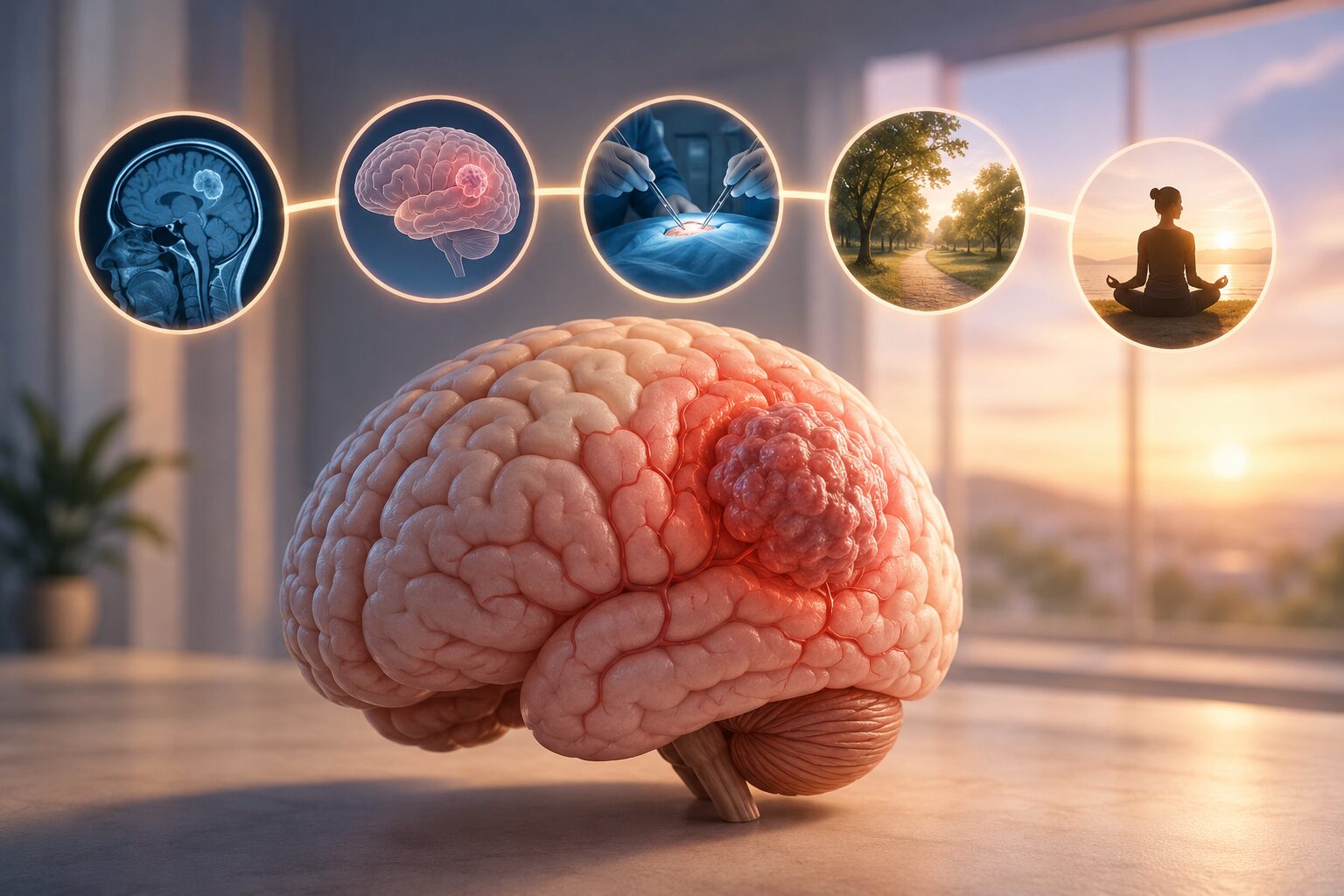
2026 Guide to Brain Tumor Surgery: Diagnosis to Recovery
A brain tumor diagnosis can be overwhelming, but advances in neurosurgery have made treatment safer and more effective than ever before. If you or a loved one has recently been diagnosed, understanding the journey from diagnosis to recovery can reduce anxiety and help you make informed decisions.
Choosing Brain Tumor Surgery in Pune means gaining access to experienced neurosurgeons, advanced imaging technology, modern operating rooms, and comprehensive rehabilitation services. Today’s surgical techniques focus on removing the tumor while preserving normal brain function through precision planning and minimally invasive approaches whenever appropriate.
This guide explains every stage from recognizing symptoms and diagnosis to surgery, recovery, rehabilitation, and long-term follow-up.
What Is a Brain Tumor?
A brain tumor is an abnormal growth of cells inside or around the brain. Tumors can be:
- Benign (Non-Cancerous): Slow-growing and less likely to spread.
- Malignant (Cancerous): Aggressive and capable of invading nearby brain tissue.
Brain tumors may originate in the brain (primary tumors) or spread from another organ (secondary or metastatic tumors).
What Are the Common Symptoms of a Brain Tumor?
Symptoms depend on the tumor’s size, type, and location. Common signs include:
- Persistent headaches
- Nausea and vomiting
- Blurred or double vision
- Difficulty speaking
- Memory problems
- Balance issues
- Weakness in arms or legs
- Seizures
- Personality or behavioral changes
Early diagnosis significantly improves treatment planning and outcomes.
How Is a Brain Tumor Diagnosed?
Diagnosis involves several advanced tests, including:
MRI Scan
MRI provides detailed images of the brain and is considered the gold standard for identifying brain tumors.
CT Scan
CT scans help detect bleeding, swelling, or emergency conditions.
Neurological Examination
Doctors evaluate:
- Reflexes
- Coordination
- Vision
- Hearing
- Muscle strength
- Balance
Biopsy
A tissue sample confirms:
- Tumor type
- Grade
- Whether it is benign or malignant
These diagnostic steps help create a personalized treatment plan.
When Is Brain Tumor Surgery Recommended?
Surgery may be advised when:
- The tumor is accessible.
- Symptoms are worsening.
- Brain pressure needs relief.
- A tissue diagnosis is required.
- The tumor is growing rapidly.
Modern neurosurgeons aim for maximum safe tumor removal, balancing effective treatment with preservation of brain function.
Types of Brain Tumor Surgery
Treatment depends on the patient’s condition and tumor location.
Craniotomy
The most common procedure where a section of the skull is temporarily removed to access the tumor.
Awake Brain Surgery
Used when tumors are close to speech or movement centers, allowing surgeons to monitor neurological function during the procedure.
Minimally Invasive Surgery
Selected tumors can be removed using smaller incisions and advanced surgical navigation systems.
Stereotactic Biopsy
A minimally invasive technique to obtain tissue samples for diagnosis.
What Happens Before Surgery?
Preparation generally includes:
- Blood investigations
- MRI with neuronavigation planning
- Medication review
- Anesthesia consultation
- Discussion of risks and expected outcomes
Patients are also advised regarding fasting, medications, and postoperative expectations.
What Happens During Brain Tumor Surgery?
The surgery usually involves:
- General anesthesia (or awake anesthesia for selected cases)
- Surgical navigation using advanced imaging
- Microsurgical tumor removal
- Continuous monitoring of vital signs and neurological function
- Closure of the surgical site
Depending on complexity, surgery may take several hours.
What Is Brain Surgery Recovery Like?
Recovery differs from one patient to another, depending on tumor type, location, age, and overall health.
Patients often spend:
- 24–72 hours under close observation
- Several days in the hospital
- Weeks to months recovering at home
For more information about Brain Surgery Recovery, consulting an experienced multidisciplinary team is essential.
Tips for Faster Brain Surgery Recovery
Recovery improves with proper care and rehabilitation.
Follow Medication Instructions
Take prescribed medicines exactly as directed.
Attend Follow-Up Visits
Regular scans help monitor healing and detect recurrence early.
Participate in Rehabilitation
Some patients may benefit from:
- Physiotherapy
- Occupational therapy
- Speech therapy
Eat a Balanced Diet
Protein-rich foods and adequate hydration support healing.
Get Enough Rest
Adequate sleep promotes brain recovery.
Avoid Heavy Activities
Follow your neurosurgeon’s advice before returning to work or exercise.
Why Choose Pune for Brain Tumor Surgery?
Pune has become a preferred destination because of:
- Experienced neurosurgeons
- Advanced operating microscopes
- Modern neuronavigation systems
- Comprehensive rehabilitation programs
- Multidisciplinary treatment teams
- Personalized patient care
How Can a Spine Specialist Help During Recovery?
Recovery from brain surgery often involves neurological rehabilitation. Consulting a Spine Specialist in Pune can be valuable when patients experience balance issues, neck pain, posture-related concerns, or require coordinated rehabilitation alongside neurological recovery.
Frequently Asked Questions (FAQs)
Is brain tumor surgery always necessary?
No. Some tumors can be monitored or treated with radiation or medications, depending on their type, size, and location.
How long does recovery take?
Recovery varies from a few weeks to several months based on the complexity of surgery and individual healing.
Is brain tumor surgery safe?
Modern surgical techniques, neuronavigation, and intraoperative monitoring have significantly improved safety, though every surgery carries some risks.
Can a brain tumor return after surgery?
Some tumors may recur. Regular follow-up imaging helps detect recurrence early.
When can patients return to work?
Many patients resume normal activities after medical clearance, although the timeline differs based on recovery progress.
Final Thoughts
Receiving a brain tumor diagnosis can be life-changing, but advances in neurosurgery continue to improve treatment outcomes and quality of life. Early diagnosis, expert surgical planning, personalized rehabilitation, and ongoing follow-up are all essential components of successful care. Whether you are exploring treatment options or supporting a loved one, informed decisions and timely medical attention can make a meaningful difference throughout the journey.
Connect With Us
If you’re looking for expert consultation for brain tumor treatment or recovery guidance, our experienced neurosurgical team is here to help.
Sahyadri Speciality Hospital
Shastri Nagar Chowk, Near Yerwada Police Station, Pune – 411006
Phone: +91 7350311211
Phone: +91 9673338245
Email: dr.sdmahajan@gmail.com