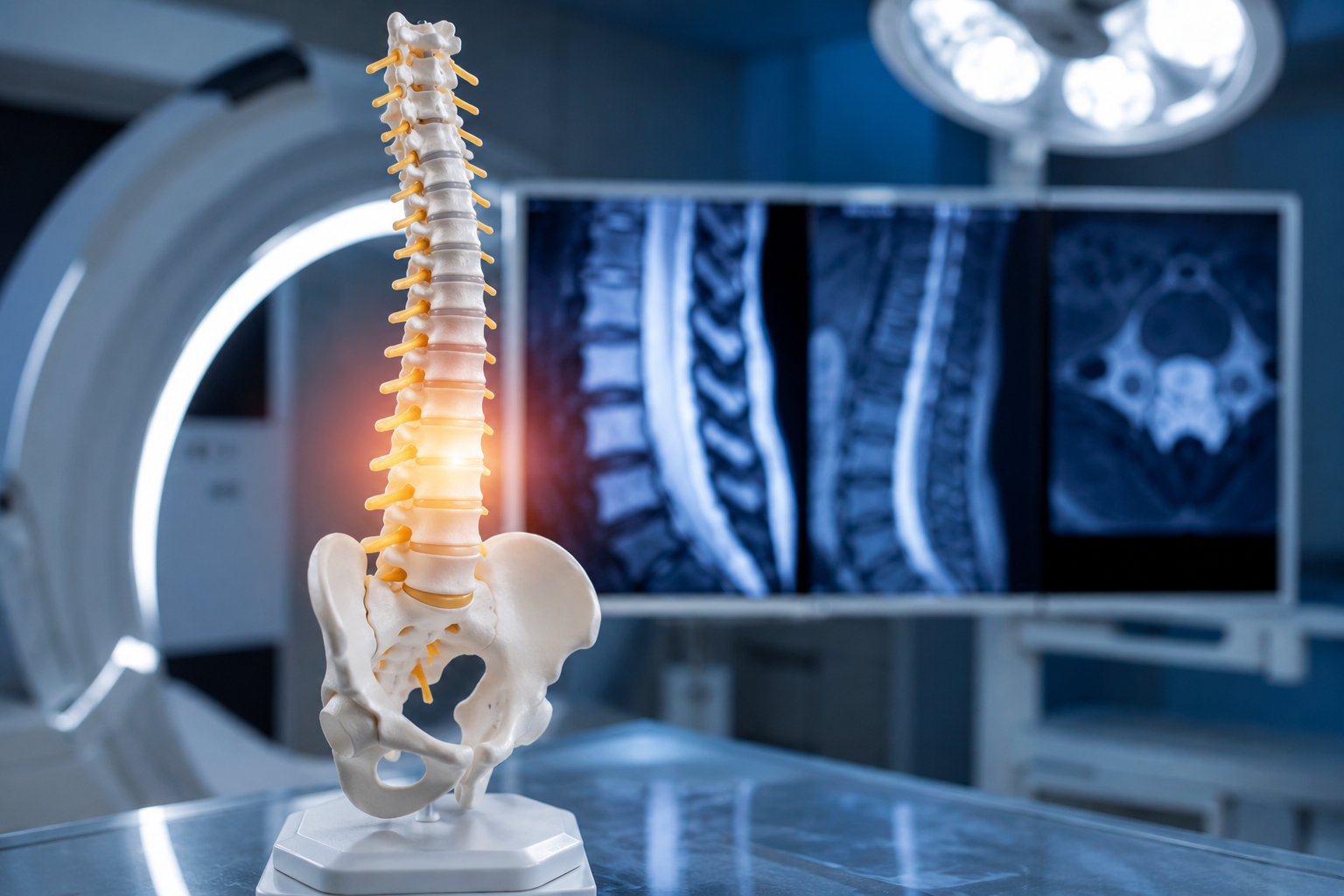
When Is Spine Surgery Recommended? Benefits, Procedure & Recovery Explained
Back pain, leg pain, numbness, weakness, and restricted movement can significantly affect your everyday life. When medicines, physiotherapy, and other conservative treatments do not provide sufficient relief, surgery may sometimes be considered. Advances in surgical technology have made it possible to treat selected spinal conditions through smaller incisions and less disruption to surrounding tissues. Minimal Invasive Spine Surgery in Pune is one such advanced approach that may help eligible patients achieve symptom relief and return to daily activities sooner.
What Is Minimally Invasive Spine Surgery?
Minimally invasive spine surgery (MISS) is a surgical approach designed to access the spine through small incisions using specialized instruments, tubular retractors, endoscopic or microscopic visualization, and, when appropriate, advanced imaging or navigation. The objective is to address the underlying spinal problem while limiting unnecessary damage to muscles and soft tissues.
Unlike traditional open procedures that may require a larger surgical exposure, MISS aims to create a smaller working pathway to the affected area. However, minimally invasive surgery is not appropriate for every spinal condition. A specialist evaluates the diagnosis, imaging findings, symptoms, general health, and surgical requirements before recommending the approach.
Which Spine Conditions Can Be Treated With MISS?
Depending on the individual case, minimally invasive techniques may be considered for conditions such as:
- Herniated or slipped discs
- Lumbar spinal stenosis
- Degenerative disc conditions
- Certain cases of spondylolisthesis and spinal instability
- Selected spinal deformities
- Vertebral compression fractures
- Some spinal tumors and other structural spinal problems
The specific procedure depends on the location and cause of nerve compression or spinal instability.
What Are the Benefits of Minimally Invasive Spine Surgery?
One of the major reasons patients and surgeons consider MISS is the reduced disruption to surrounding muscles and soft tissues. Potential benefits include:
Smaller Incisions
MISS generally uses smaller surgical openings than conventional open surgery. This can result in smaller scars and less disruption to the tissues around the spine.
Less Blood Loss
Because the surgical approach can involve less tissue disruption, blood loss may be lower in appropriately selected procedures.
Reduced Postoperative Discomfort
Less disruption of muscles and soft tissues can contribute to reduced postoperative pain compared with some traditional open procedures.
Faster Recovery
Many patients can begin moving sooner after surgery, although the exact recovery period depends on the procedure, diagnosis, overall health, and individual healing.
Shorter Hospital Stay
Some minimally invasive procedures may allow patients to return home on the same day or after a short hospital stay. The length of stay varies according to the complexity of surgery and the patient’s recovery.
Smaller Surgical Scar
The smaller access points used in MISS can produce less noticeable scarring than larger open incisions.
How Is Minimally Invasive Spine Surgery Performed?
The exact procedure varies according to the spinal condition being treated. In general, the process may include the following stages.
1. Detailed Evaluation
Before surgery, the spine specialist reviews your symptoms, medical history, physical examination findings, and imaging such as MRI or CT scans. This helps determine the source of symptoms and whether surgery is appropriate.
2. Planning the Surgical Approach
The surgeon selects the safest access route and appropriate technique based on the affected spinal level and condition. Modern spine surgery may use specialized visualization, imaging, navigation, or other technologies when appropriate.
3. Creating a Small Surgical Access
A small incision is made, and specialized tubes or retractors may be positioned to create a pathway toward the spine. Instead of widely separating or cutting muscles, the approach is designed to minimize tissue disruption.
4. Treating the Spinal Problem
Through the small access pathway, the surgeon uses specialized instruments and visualization to decompress a nerve, remove problematic disc material, stabilize a spinal segment, or perform another required procedure.
5. Closing the Incision
Once the surgical objective has been completed, the instruments are removed and the incision is closed and dressed.
The goal of Modern spine surgery is not simply to make an incision smaller. The procedure should be selected because it can safely and effectively address the patient’s specific spinal problem while minimizing unnecessary tissue disruption.
What Is Recovery Like After MISS?
Recovery varies from one patient to another. Some minimally invasive procedures allow relatively early mobility, while more complex operations may require a longer recovery period.
During the initial recovery period, patients are generally advised to:
- Follow medication and wound-care instructions carefully.
- Avoid heavy lifting and strenuous activities until cleared by the surgeon.
- Walk and increase activity gradually according to medical advice.
- Attend scheduled follow-up appointments.
- Perform prescribed physiotherapy or rehabilitation exercises when recommended.
- Maintain adequate nutrition and hydration.
- Report unusual symptoms such as fever, increasing wound redness, discharge, severe or worsening pain, or new neurological symptoms promptly.
Even with minimally invasive techniques, the body needs adequate time to heal. Full recovery can take weeks or months depending on the procedure and individual circumstances.
Is Minimally Invasive Spine Surgery Safe?
MISS is considered an established approach for appropriately selected spinal conditions, but it is still surgery and carries potential risks. These can include infection, bleeding, nerve injury, spinal fluid leakage, anesthesia-related complications, persistent symptoms, or problems related to instrumentation or fusion when applicable. In some situations, a minimally invasive approach may need to be converted to a more extensive procedure if required for patient safety.
Therefore, choosing the surgical approach should be based on an accurate diagnosis and an individualized assessment rather than assuming that minimally invasive surgery is automatically the best option for everyone.
Why Choose a Spine Specialist in Pune?
Spine surgery requires careful diagnosis, appropriate patient selection, surgical planning, and structured postoperative care. If your symptoms suggest a complex spinal or neurological problem, consulting an experienced specialist can help you understand both surgical and non-surgical treatment options.
For patients who also require evaluation of neurological or brain-related conditions, you can explore our Brain and Spine Specialist in Pune page for additional information.
Frequently Asked Questions (FAQs)
Is minimally invasive spine surgery suitable for everyone?
No. The suitability of MISS depends on the diagnosis, spinal anatomy, severity of the condition, overall health, and type of surgery required. A specialist should determine whether a minimally invasive approach is appropriate.
How long does recovery take after minimally invasive spine surgery?
Recovery varies significantly depending on the procedure and patient. Some people resume light activities relatively quickly, while complex surgeries may require several weeks or months for full recovery.
Is minimally invasive spine surgery less painful than open surgery?
Because MISS generally causes less disruption to muscles and surrounding soft tissues, postoperative pain may be lower than with some open procedures. However, some discomfort after surgery is normal and varies between patients.
Will I need physiotherapy after surgery?
Physiotherapy may be recommended depending on your procedure and recovery needs. Your surgeon or rehabilitation team can provide an individualized exercise plan.
Does minimally invasive surgery mean there are no risks?
No. Like every surgical procedure, MISS has potential risks. Your surgeon should explain the expected benefits, limitations, alternatives, and possible complications before treatment.
Final Thoughts
Minimally invasive techniques have become an important part of contemporary spine care. By using smaller access points and specialized surgical technology, these procedures can reduce disruption to muscles and soft tissues while addressing selected spinal conditions.
If persistent back pain, sciatica, numbness, weakness, or another spinal problem is affecting your quality of life, a detailed evaluation can help identify the right treatment. Minimal Invasive Spine Surgery in Pune may be an option for appropriately selected patients, but the final treatment decision should always be based on an individualized medical assessment.
Connect With Us
If you are considering spine surgery or need an expert evaluation for a spinal condition, you can connect with the spine care team at:
Sahyadri Speciality Hospital
Shastri Nagar Chowk, Near Yerwada Police Station, Pune – 411006
Phone: +91 7350311211 | +91 9673338245
Email: dr.sdmahajan@gmail.com