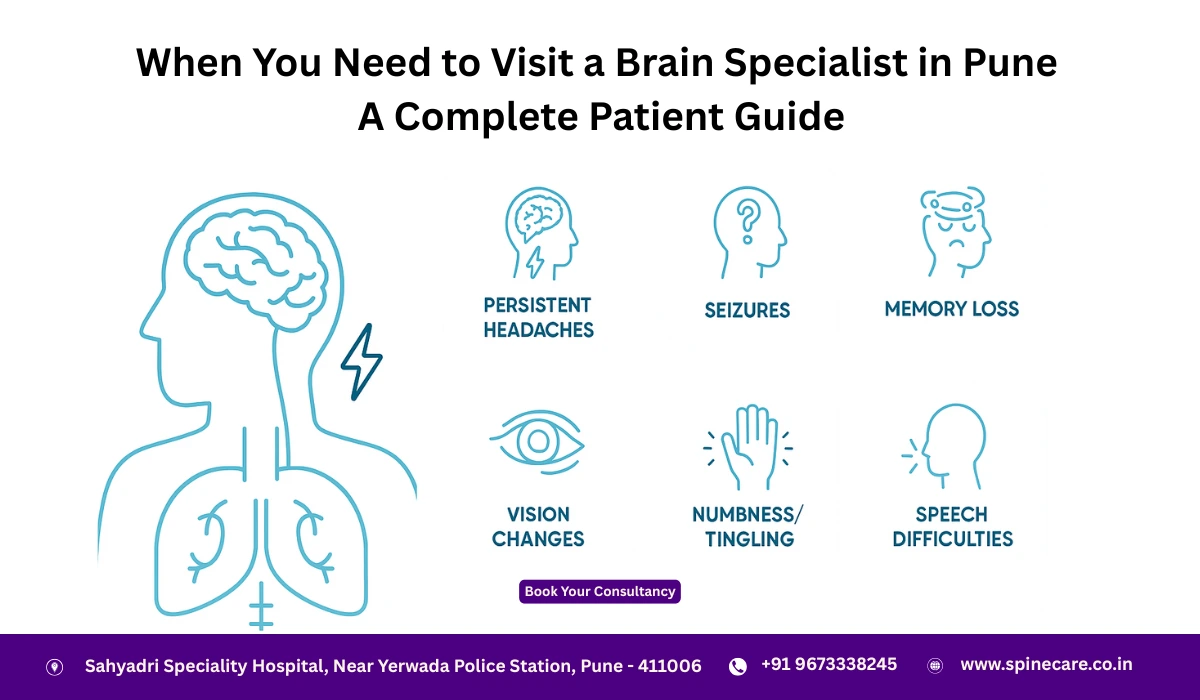
When You Need to Visit a Brain Specialist in Pune: A Complete Patient Guide
Your brain is the command center of your entire body—controlling memory, movement, emotions, breathing, and every essential function. Even small issues affecting the brain can impact daily life, productivity, and long-term health. Unfortunately, many people ignore early signs of neurological problems or depend on home remedies until symptoms get worse.
If you live in Pune—a growing hub for advanced neuro-care—it becomes easier and more important to consult a brain specialist in Pune when symptoms first appear. Early diagnosis often leads to better recovery, safer treatment options, and long-term wellness.
This detailed guide explains when and why you should see a brain specialist, which symptoms require attention, types of neurology conditions, available treatments, and how to choose the right expert.
What Is a Brain Specialist and What Do They Treat?
A brain specialist, often a neurologist or neurosurgeon, is a doctor trained to diagnose and treat disorders related to the brain, spinal cord, and nervous system.
Neurologists Treat Conditions Like:
- Migraine and chronic headaches
- Seizures and epilepsy
- Stroke
- Memory disorders
- Balance problems
- Movement disorders (Parkinson’s, tremors)
- Nerve pain and neuropathy
Neurosurgeons Treat:
- Brain tumors
- Brain injuries
- Spinal disorders
- Aneurysms
- Hydrocephalus
- Nerve compression issues
Many patients think neurosurgeons only perform surgery. But they also offer non-surgical treatments and collaborative care.
Visiting the Best Neurosurgeon in Pune ensures access to advanced techniques, accurate diagnosis, and comprehensive treatment for complex brain and spine issues.
Common Symptoms That Mean You Should Visit a Brain Specialist
If you experience any of the symptoms below, consider them red flags. These signs may indicate an underlying neurological condition that requires early evaluation.
1. Persistent or Severe Headaches
Headaches happen to everyone. But certain types should not be ignored:
Warning Signs:
- Headaches lasting more than 2 weeks
- Sudden, sharp “thunderclap” headache
- Headache with vomiting or dizziness
- Headaches that worsen at night
- Headaches after head injury
These may be signs of migraine disorder, nerve compression, high pressure in the brain, or even serious conditions like aneurysm or tumor.
2. Frequent Dizziness or Balance Problems
Losing balance or feeling dizzy occasionally is normal, but repeated episodes may indicate:
- Inner ear issues
- Brainstem disorders
- Stroke
- Nerve disorders
- Vitamin deficiency affecting the nervous system
A brain specialist can perform neurological examinations to identify the cause.
3. Sudden or Gradual Memory Loss
If you or someone in your family is showing symptoms like forgetting names, misplacing items, or repeating questions often, it may indicate:
- Mild Cognitive Impairment (MCI)
- Early-stage dementia
- Alzheimer’s disease
- Sleep disorders
- Stress, anxiety, or depression
The sooner cognitive issues are addressed, the better the outcomes.
4. Tingling, Numbness, or Weakness in Limbs
These symptoms often point to problems with the brain or nerves:
- Stroke
- Neuropathy
- Pinched nerves
- Multiple sclerosis
- Spinal disorders
If one side of the body becomes weak, visit emergency care immediately—it may be a stroke.
5. Recurrent Seizures or Uncontrolled Jerking Movements
Seizures are neurological emergencies. Even one seizure should not be ignored.
Possible causes include:
- Epilepsy
- Brain infection
- Brain injury
- Tumor
- Metabolic disorders
Early diagnosis helps prevent complications and allows better management.
6. Vision Problems Without an Eye Issue
If you notice:
- Double vision
- Blurred vision
- Loss of vision in one eye
It may indicate nerve damage or conditions like stroke or tumour pressure.
7. Difficulty Speaking or Understanding
Slurred speech, inability to express thoughts, or trouble understanding words are serious signs commonly linked to stroke or brain disorders.
8. Sudden Personality or Behavioral Changes
A surprising number of neurological issues first appear as behavioral changes, such as:
- Irritation or anger
- Excessive sleepiness
- Depression or anxiety
- Sudden mood swings
- Difficulty making decisions
Brain infections, tumors, or chemical imbalances are often underlying causes.
9. Chronic Neck or Back Pain with Nerve Symptoms
If pain radiates down the hands or legs, it could mean:
- Cervical or lumbar disc issues
- Sciatica
- Nerve compression
- Spinal degeneration
Brain specialists and neurosurgeons often manage complex spine-related nerve issues.
Serious Symptoms That Require Immediate Medical Attention
Call emergency services or visit a hospital immediately if you notice:
- One-sided weakness
- Sudden severe headache
- Loss of consciousness
- Difficulty breathing
- Seizures lasting more than 5 minutes
- Inability to speak or move properly
These could indicate a stroke, severe brain injury, or life-threatening neurological condition.
Common Brain Conditions That Require Specialist Care
1. Migraine
Chronic migraines affect productivity and quality of life. A specialist can identify triggers and create a personalized treatment plan.
2. Stroke
Time is critical. Stroke treatment within the first 3–4 hours can save the brain from permanent damage.
3. Brain Tumors
Not all tumors are cancerous, but all require expert evaluation for treatment and monitoring.
4. Epilepsy
With modern treatment options, most epilepsy patients can lead normal lives.
5. Parkinson’s Disease
Early intervention helps manage tremors, stiffness, and mobility issues.
6. Spine Disorders
Conditions like slipped discs or spinal stenosis can affect how the brain communicates with the body.
Benefits of Seeing a Brain Specialist Early
Early diagnosis is the biggest advantage in neurological health.
- Better Recovery Rates
Most neurological disorders respond well when treated early.
- Avoiding Complications
Ignoring symptoms can lead to permanent damage.
- Access to Advanced Diagnostics
Brain specialists use tools like MRI, EEG, CT scan, and nerve conduction tests.
- Personalized Treatment
Medication, physiotherapy, lifestyle changes, or surgical options are planned individually.
- Peace of Mind
Consulting an expert helps remove uncertainty regarding symptoms.
How a Brain Specialist in Pune Diagnoses Neurological Problems
Your consultation usually includes:
- Detailed History
Symptoms, lifestyle, past illnesses, and family history.
- Neurological Examination
Testing reflexes, movement, balance, coordination, and memory.
- Diagnostic Tests
- MRI/CT scan
- EEG
- Nerve conduction studies
- Blood tests
- Cognitive tests
Treatment Options Provided by Brain Specialists
- Medications
Used for migraines, epilepsy, nerve pain, and many neurological conditions.
- Physiotherapy & Rehabilitation
Helps improve balance, movement, and recovery after stroke.
- Lifestyle Modifications
Sleep, diet, exercise, and stress management.
- Minimally Invasive Procedures
Used for spinal issues, nerve decompression, and tumor biopsy.
- Brain or Spine Surgery
Recommended only when necessary and done safely by specialized neurosurgeons.
How to Choose the Right Brain Specialist in Pune
Choosing the right expert matters for accurate diagnosis and long-term health.
What to Look For:
- Qualification and specialization
- Experience in treating your condition
- Availability of advanced technology
- Patient reviews and success stories
- Clear communication and patient-friendly approach
- Hospital infrastructure
Opting for the Best Neurosurgeon in Pune ensures access to advanced treatment options, best surgical outcomes, and multi-disciplinary care.
Lifestyle Tips to Maintain Brain Health
Even after visiting a specialist, lifestyle plays a major role.
- Prioritize Sleep
7–8 hours of quality sleep improves memory and mood.
- Stay Hydrated
Dehydration can trigger headaches and fatigue.
- Reduce Screen Time
Protects your eyes and reduces mental strain.
- Healthy Diet
Include omega-3 foods, leafy vegetables, nuts, and antioxidants.
- Exercise Regularly
Boosts blood flow to the brain and prevents cognitive decline.
When to Get a Second Opinion
If you feel:
- Your symptoms are not improving
- The diagnosis seems unclear
- You want to explore non-surgical options
- Surgery has been recommended
A second opinion helps make informed decisions.
Conclusion
Your brain controls everything you do—and its health should never be taken lightly. Whether you’re experiencing headaches, dizziness, seizures, memory loss, or unexplained changes in your body, consulting a brain specialist in Pune can provide clarity, early diagnosis, and the right treatment plan.
Understanding the symptoms and responding early can protect you from serious complications and ensure a better quality of life. Pune offers some of the best neurologists and neurosurgeons with advanced facilities, so don’t delay your health decisions.