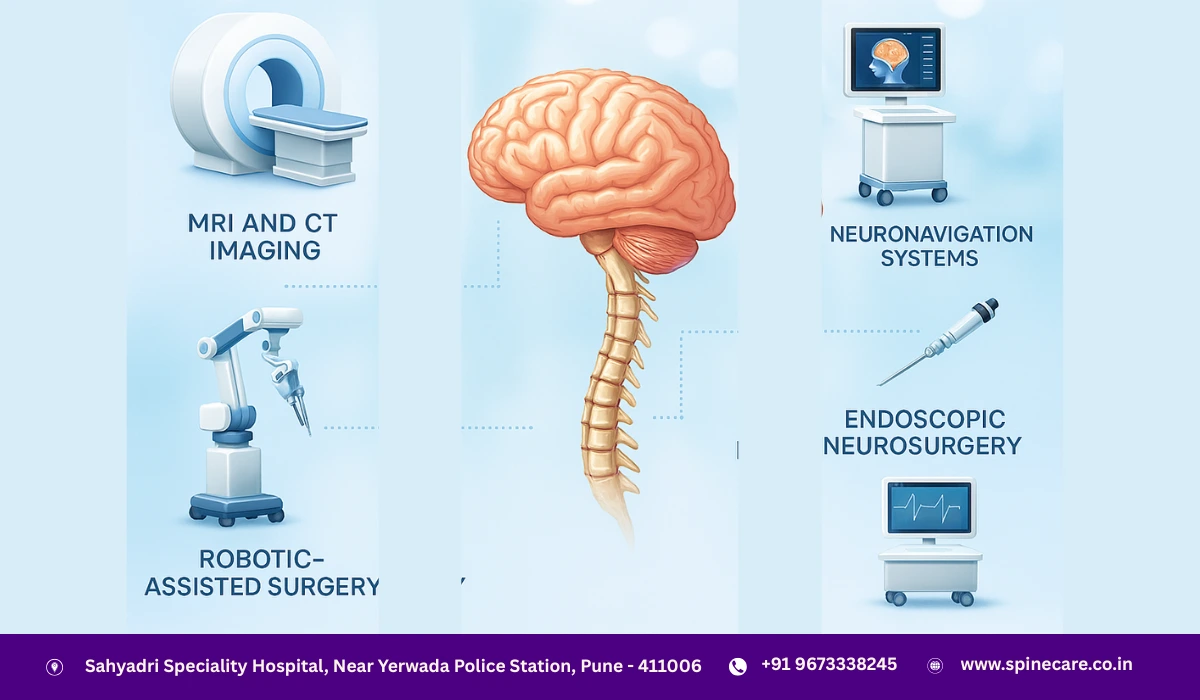
How Advanced Technology Is Transforming Modern Neurosurgery
Neurosurgery has undergone a remarkable transformation over the past few decades. Procedures that once required large incisions, long hospital stays, and extended recovery periods are now performed with extreme precision using advanced technology. Modern neurosurgery combines medical expertise with cutting-edge innovations to improve safety, accuracy, and patient outcomes.
Today, patients seeking care from the Best Neurosurgeon in Pune benefit from minimally invasive procedures, real-time imaging, robotic assistance, and computer-guided navigation systems. These advancements have not only increased surgical success rates but have also reduced pain, complications, and recovery time.
This blog explores how advanced technology is reshaping modern neurosurgery and why choosing a well-equipped center with an experienced neurosurgical team makes a significant difference in brain and spine treatment.
What Is Modern Neurosurgery?
Modern neurosurgery focuses on treating disorders of the brain, spine, and nervous system using advanced diagnostic tools and innovative surgical techniques. Unlike traditional methods, today’s neurosurgical approaches prioritize:
- Precision and accuracy
- Minimally invasive access
- Faster recovery and reduced hospital stay
- Improved patient safety
For patients consulting a trusted brain specialist in pune, these advancements ensure early diagnosis, accurate treatment planning, and better long-term outcomes.
Role of Advanced Imaging Technology in Neurosurgery
High-Resolution MRI and CT Scans
Advanced imaging plays a crucial role in neurosurgery. High-resolution MRI and CT scans provide detailed views of the brain and spinal structures, helping neurosurgeons identify abnormalities such as tumors, nerve compression, vascular issues, and spinal degeneration with exceptional clarity.
These imaging tools allow surgeons to plan procedures precisely, minimizing damage to surrounding healthy tissues.
Functional MRI (fMRI)
Functional MRI helps map critical brain functions such as speech, movement, and memory. This technology is especially valuable when operating near sensitive brain areas, ensuring that vital functions are preserved during surgery.
Neuronavigation Systems: Precision at Its Best
Neuronavigation is often compared to a GPS system for the brain and spine. It uses pre-operative imaging data to guide surgeons in real time during procedures.
Benefits of Neuronavigation:
- Accurate localization of tumors and lesions
- Reduced risk to surrounding nerves and tissues
- Smaller incisions and minimal tissue disruption
- Enhanced surgical confidence and precision
This technology has become a cornerstone in modern neurosurgery, especially for complex brain and spine procedures.
Minimally Invasive Neurosurgery: A Game Changer
One of the most significant technological advancements in neurosurgery is the shift toward minimally invasive techniques.
What Makes Minimally Invasive Surgery Different?
- Small incisions instead of large surgical openings
- Use of endoscopes and specialized instruments
- Reduced blood loss and pain
- Faster healing and recovery
Patients treated by the Best Neurosurgeon in Pune often benefit from minimally invasive procedures that allow them to return to daily activities sooner with fewer complications.
Endoscopic Neurosurgery: Seeing More Through Smaller Openings
Endoscopic neurosurgery uses high-definition cameras inserted through small incisions to visualize internal structures in detail.
Applications of Endoscopic Neurosurgery:
- Brain tumor removal
- Pituitary gland surgery
- Spinal disc herniation treatment
- Ventricular and skull base surgeries
This technique enhances visualization while minimizing trauma to surrounding tissues, making surgeries safer and more effective.
Robotic-Assisted Neurosurgery: Enhancing Surgical Accuracy
Robotic technology is increasingly being integrated into neurosurgical procedures. These systems assist surgeons by providing enhanced stability, precision, and control.
Advantages of Robotic Assistance:
- Improved accuracy in complex spinal surgeries
- Reduced human error
- Better alignment and placement of implants
- Consistent and reproducible surgical outcomes
Robotic-assisted neurosurgery supports surgeons in performing highly delicate procedures with confidence and precision.
Intraoperative Monitoring: Protecting Brain and Nerve Function
Intraoperative neuro-monitoring continuously tracks nerve and brain activity during surgery. This technology alerts surgeons to any potential nerve damage in real time.
Why It Matters:
- Helps preserve neurological function
- Reduces risk of post-operative complications
- Enhances patient safety
This is especially important in spine surgeries and procedures involving critical nerve pathways.
Advanced Technology in Spine Surgery
Modern spine surgery has benefited immensely from technological innovation.
Key Advancements Include:
- Computer-assisted spine navigation
- Percutaneous fixation techniques
- Advanced spinal implants
- Motion-preserving surgical options
These technologies allow neurosurgeons to treat spinal conditions with greater precision and long-term stability.
Faster Recovery and Improved Patient Outcomes
The ultimate goal of advanced neurosurgical technology is to improve patient outcomes. With precise planning and minimally invasive techniques, patients experience:
- Shorter hospital stays
- Reduced post-operative pain
- Lower infection rates
- Faster return to normal activities
A skilled brain specialist in pune uses these technologies to ensure comprehensive care from diagnosis to recovery.
Importance of Expertise Alongside Technology
While technology plays a vital role, the expertise of the neurosurgeon remains equally important. Advanced tools are only effective when used by experienced hands.
Choosing the Best Neurosurgeon in Pune ensures that patients receive the combined benefit of medical expertise, ethical decision-making, and state-of-the-art technology for optimal results.
How Technology Is Shaping the Future of Neurosurgery
The future of neurosurgery is promising, with continuous advancements such as:
- Artificial intelligence in diagnostics
- Augmented reality in surgical planning
- Personalized treatment using data analytics
- Further refinement of robotic systems
These innovations will continue to make neurosurgical procedures safer, more effective, and more accessible.
Frequently Asked Questions
Q1. How does advanced technology improve neurosurgery outcomes?
Advanced technology enhances accuracy, reduces surgical risks, minimizes tissue damage, and speeds up recovery, leading to better patient outcomes.
Q2. Is minimally invasive neurosurgery suitable for all patients?
Not all cases require surgery, and not all surgeries can be minimally invasive. The decision depends on the condition, severity, and overall health of the patient.
Q3. Are advanced neurosurgical procedures safe?
Yes. When performed by experienced neurosurgeons using modern equipment, advanced neurosurgical procedures are considered safe and highly effective.
Q4. Does advanced technology reduce recovery time?
Yes. Minimally invasive techniques and precise surgical planning significantly reduce pain, hospital stay, and recovery time.
Q5. How do I choose the right neurosurgeon?
Look for experience, specialization, access to advanced technology, transparent communication, and a patient-focused approach when selecting a neurosurgeon.
Conclusion
Advanced technology has revolutionized modern neurosurgery by making procedures safer, more precise, and less invasive. From advanced imaging and neuro navigation to robotic assistance and intraoperative monitoring, these innovations have transformed how brain and spine conditions are treated.
Patients who seek care from a trusted neurosurgical center gain the advantage of faster recovery, improved outcomes, and comprehensive support throughout their treatment journey. Combining advanced technology with expert medical care ensures the highest standards of neurosurgical excellence.