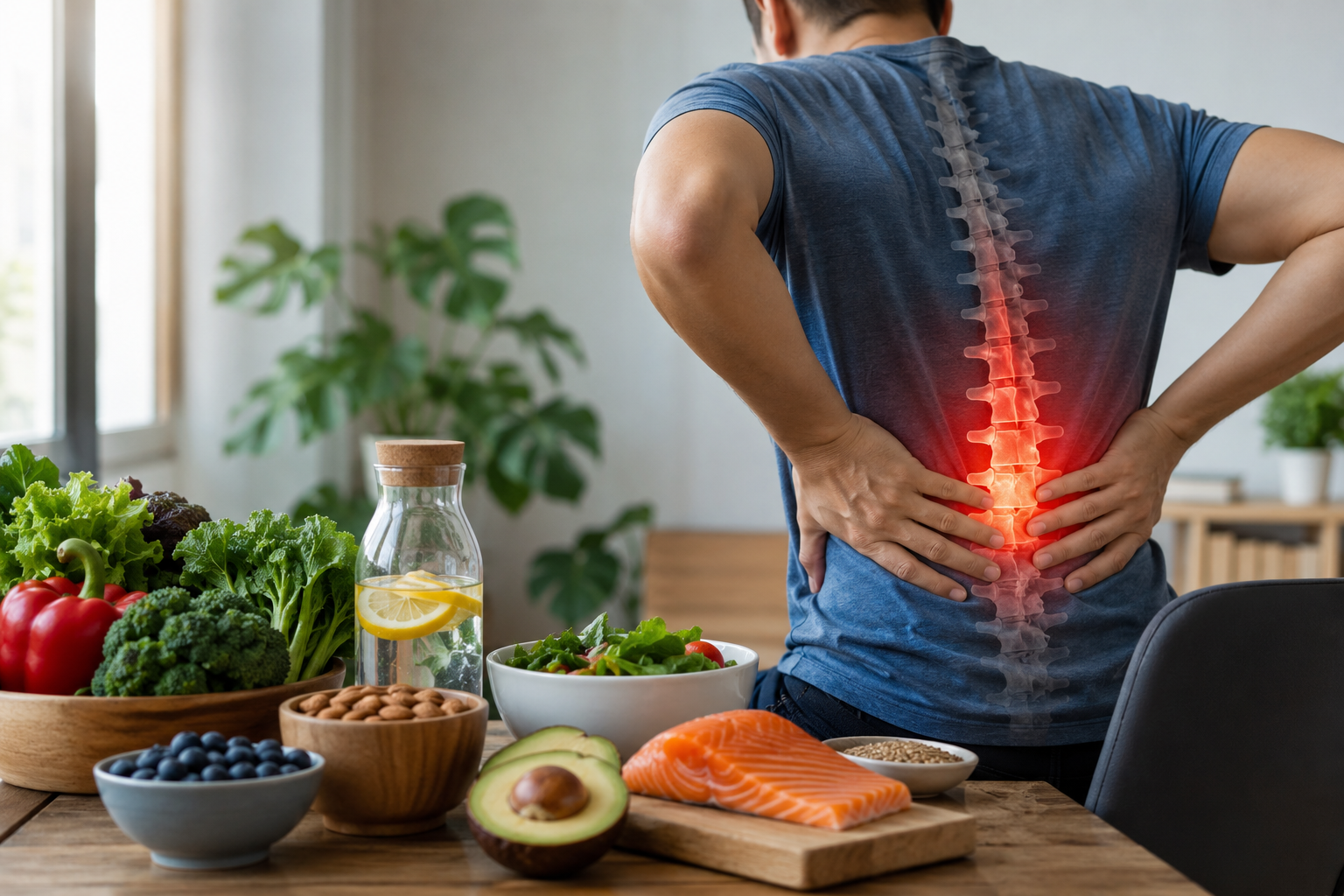
Suffering from Back Pain? Time to Check Your Diet
Back pain is often associated with poor posture, muscle strain, injuries, or spinal conditions. However, your diet can also influence how your body manages inflammation, maintains healthy bones, and supports muscles. If you are experiencing persistent or recurring pain, consulting a specialist for Back Pain Treatment can help identify the underlying cause. Along with appropriate medical care, making healthier dietary choices may support your overall spinal health.
Can Your Diet Affect Back Pain?
Yes, your dietary habits can influence several factors related to back health. A diet high in processed foods, refined carbohydrates, excess sugar, and unhealthy fats may contribute to inflammation and unwanted weight gain. Extra body weight can increase mechanical stress on the spine, particularly the lower back.
On the other hand, a balanced diet containing protein, vitamins, minerals, healthy fats, and adequate fluids can help support bones, muscles, connective tissues, and general physical health.
Diet alone cannot treat every cause of back pain. Conditions such as slipped discs, spinal stenosis, arthritis, nerve compression, or spinal deformities may require professional evaluation and targeted treatment.
Which Nutrients Are Important for a Healthy Spine?
Several nutrients play an important role in maintaining strong bones and supporting muscles and tissues around the spine.
Calcium
Calcium is essential for maintaining bone strength. Milk, curd, paneer, leafy green vegetables, sesame seeds, and certain fortified foods can provide calcium. Adequate calcium intake is particularly important for long-term skeletal health.
Vitamin D
Vitamin D helps the body absorb calcium and supports bone health. Sunlight exposure and foods such as fortified dairy products, eggs, and fatty fish can contribute to vitamin D intake. If you suspect a deficiency, speak with a healthcare professional before taking supplements.
Protein
Muscles provide important support to the spine. Protein helps maintain and repair muscle tissue. Include sources such as pulses, beans, lentils, dairy products, eggs, fish, chicken, tofu, and nuts according to your dietary preferences.
Omega-3 Fatty Acids
Omega-3 fatty acids are found in foods such as fatty fish, walnuts, chia seeds, and flaxseeds. They can be part of an overall balanced eating pattern that supports cardiovascular and general health.
Magnesium
Magnesium contributes to normal muscle and nerve function. Nuts, seeds, legumes, whole grains, and leafy vegetables are useful dietary sources.
Can Anti-Inflammatory Foods Help With Back Discomfort?
Foods rich in antioxidants and naturally occurring anti-inflammatory compounds can be a valuable part of a balanced diet. Fruits, vegetables, whole grains, nuts, seeds, and fish can provide nutrients that support overall health.
Consider including colourful vegetables such as spinach, broccoli, carrots, tomatoes, and bell peppers. Fruits such as berries, oranges, apples, and guava can also add fibre and antioxidants to your meals.
Instead of relying on one “miracle” food, focus on maintaining a varied and nutrient-rich eating pattern over time.
Which Foods Should You Limit?
If you frequently experience back discomfort, it may be useful to reduce foods that provide high calories but limited nutritional value.
Try to limit:
- Highly processed snacks and packaged foods
- Sugary beverages
- Excess sweets and desserts
- Deep-fried foods
- Foods high in trans fats
- Excessively salty foods
- Frequent consumption of refined carbohydrates
- Excessive alcohol consumption
Reducing these foods can support healthier body weight and overall nutrition. However, dietary changes should complement not replace medical assessment when pain is persistent.
How Does Body Weight Affect Back Health?
Maintaining a healthy body weight can reduce the physical load placed on the spine. Excess weight, particularly around the abdomen, can alter posture and increase stress on the lower back.
A combination of balanced nutrition and regular physical activity can help with weight management. If you have significant pain, choose exercises appropriate for your condition rather than beginning an intense workout routine without professional guidance.
Can Physiotherapy Help Along With Dietary Changes?
Physiotherapy can be an important component of back-pain management for many people. Depending on the underlying cause, a physiotherapist may recommend exercises to improve flexibility, muscle strength, posture, balance, and spinal support.
Diet and Physiotherapy address different aspects of overall health. Nutrition supports the body’s general requirements, while physiotherapy focuses on movement, function, and physical rehabilitation. Your healthcare provider can help determine which combination is appropriate for your condition.
When Should You Consult a Spine Specialist?
Occasional back discomfort may improve with rest and appropriate self-care. However, medical evaluation is advisable when pain is persistent, recurrent, severe, or affecting your everyday activities.
Seek professional attention if back pain is accompanied by symptoms such as:
- Numbness or tingling
- Weakness in the arms or legs
- Pain radiating down a limb
- Difficulty walking or maintaining balance
- Loss of bladder or bowel control
- Pain following a significant injury
- Unexplained weight loss or fever
Early evaluation can help determine whether the discomfort is related to muscles, nerves, discs, joints, or another spinal condition.
What Is the Connection Between Diet and Spinal Deformities?
Some spinal conditions involve structural changes in the alignment or shape of the spine. Nutrition cannot correct a structural deformity, but maintaining good nutritional health can support bones, muscles, and overall physical condition.
People requiring specialist evaluation for spinal alignment problems may benefit from consultation with a Spinal Deformity Surgeon . The appropriate treatment depends on the specific condition, symptoms, age, overall health, and severity of the deformity.
What Does a Spine-Friendly Daily Diet Look Like?
A practical approach is to build meals around nutrient-dense foods. Include vegetables and fruits regularly, choose whole grains where suitable, add adequate protein, and select healthy sources of fats.
For example, breakfast could include eggs or a vegetable-based meal with whole grains. Lunch can include vegetables, dal or another protein source, curd, and a suitable grain. Snacks may include fruit, nuts, or seeds. Dinner can contain vegetables along with a protein source and a moderate portion of whole grains.
Also, remember to drink enough water throughout the day. Individual nutritional requirements can vary, especially for people with medical conditions or specific dietary restrictions.
Frequently Asked Questions (FAQs)
Can changing my diet cure back pain?
Dietary changes alone generally cannot cure structural or neurological causes of back pain. However, good nutrition can support healthy body weight, bones, muscles, and general wellbeing.
Should I take calcium or vitamin D supplements for back pain?
Supplements are not automatically necessary for everyone with back pain. If a deficiency is suspected, consult a healthcare professional for appropriate assessment and advice.
Is weight loss helpful for lower back pain?
If excess body weight contributes to mechanical stress on the spine, achieving a healthy weight may help reduce physical strain. A sustainable combination of nutrition and appropriate physical activity is usually preferable.
Can physiotherapy and diet be used together?
Yes. Depending on the cause of your symptoms, physiotherapy can support movement and rehabilitation while a balanced diet supports overall nutritional health.
When is back pain a medical emergency?
Back pain accompanied by severe weakness, loss of bladder or bowel control, significant numbness around the groin area, or serious injury requires urgent medical assessment.
Final Thoughts
Your daily diet is one part of maintaining a healthy spine. Choosing nutrient-rich foods, staying hydrated, maintaining a healthy body weight, and staying physically active can support your overall musculoskeletal health. However, persistent or severe back pain should not be managed through diet alone.
Identifying the underlying cause is important for choosing the right treatment. Professional evaluation can help determine whether you may benefit from medication, Physiotherapy, lifestyle changes, or other specialised treatment.
Connect With Us
For consultation and further information:
Sahyadri Speciality Hospital
Shastri Nagar Chowk, Near Yerwada Police Station,
Pune – 411006
Phone: +91 7350311211 | +91 9673338245
Email: dr.sdmahajan@gmail.com