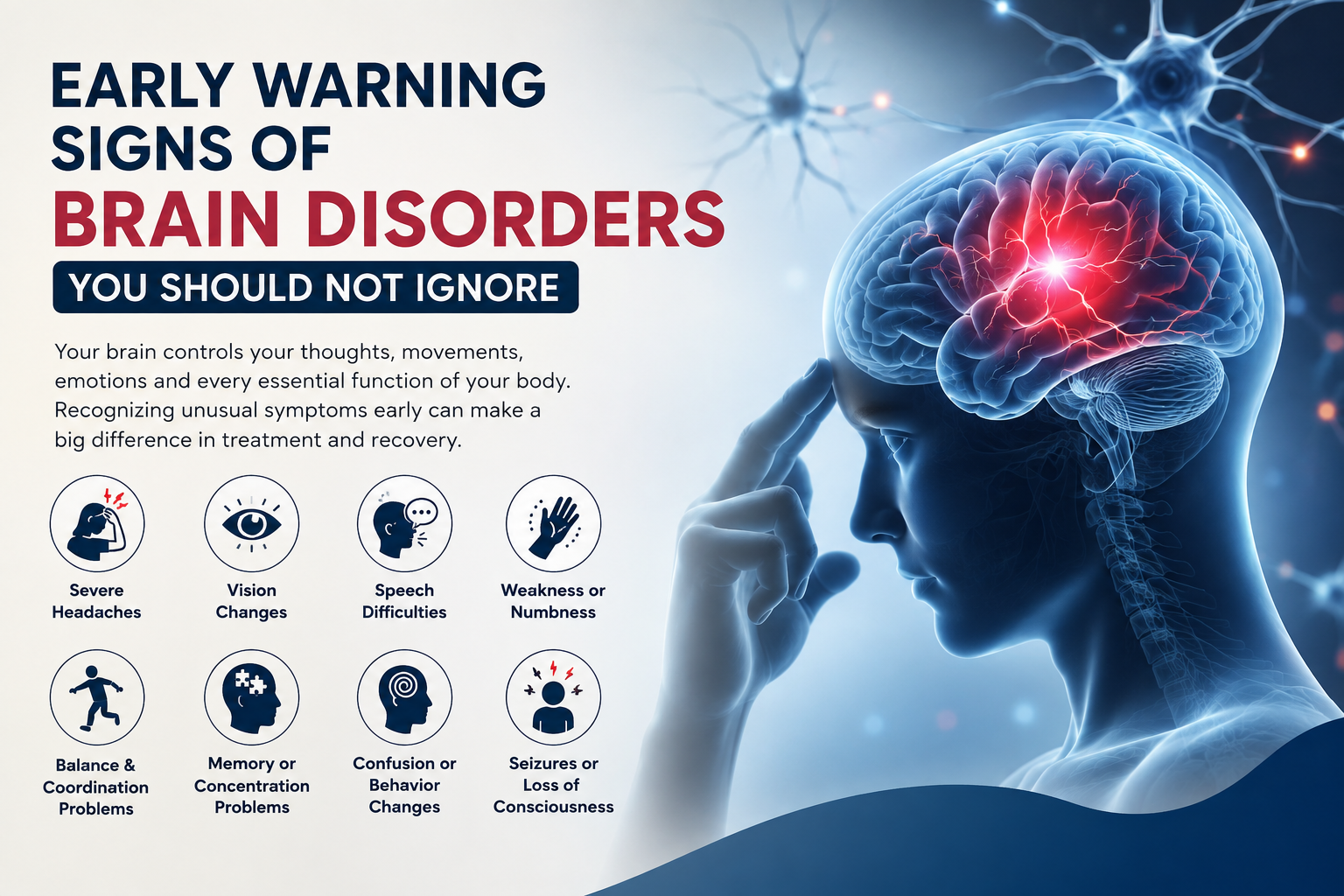
Early Warning Signs of Brain Disorders You Should Not Ignore
The brain controls movement, memory, communication, emotions, coordination, and many essential functions of the body. When something affects the brain or nervous system, the symptoms may sometimes appear gradually and can be mistaken for stress, fatigue, aging, or other common problems. Recognizing unusual or persistent symptoms early can help you seek appropriate medical evaluation. Consulting a qualified Brain and Spine Specialist in Pune can be an important step when symptoms suggest an underlying neurological concern.
Brain disorders can range from headaches and seizures to conditions affecting memory, movement, nerves, or brain tissue. Some symptoms may be temporary and harmless, while others require prompt medical attention. Understanding the warning signs can help you make informed decisions about your neurological health.
What Are the Early Warning Signs of Brain Disorders?
The symptoms of brain disorders can vary depending on the affected area of the brain, the underlying condition, and its severity. Some warning signs develop suddenly, while others become noticeable over weeks or months.
Common symptoms that should not be ignored include:
- Persistent or unusually severe headaches
- Sudden changes in vision
- Difficulty speaking or understanding speech
- Unexplained weakness or numbness
- Problems with balance or coordination
- Recurrent seizures
- Changes in memory or concentration
- Confusion or unusual changes in behaviour
- Persistent dizziness
- Difficulty walking or controlling movements
- Loss of consciousness
- Nausea or vomiting associated with severe neurological symptoms
Experiencing one of these symptoms does not automatically mean that you have a serious brain condition. However, recurring, worsening, or sudden symptoms deserve appropriate medical assessment.
When Can a Persistent Headache Be a Warning Sign?
Headaches are common and can occur because of dehydration, lack of sleep, stress, sinus problems, or other everyday factors. However, a headache that is unusually severe, persistent, progressively worsening, or significantly different from your usual headaches should not be overlooked.
A sudden, extremely severe headache, particularly when accompanied by weakness, confusion, difficulty speaking, vision changes, vomiting, or loss of consciousness, requires urgent medical evaluation.
Repeated headaches combined with neurological symptoms may require further investigation to understand the underlying cause.
Why Should Sudden Weakness or Numbness Be Taken Seriously?
Sudden weakness or numbness involving the face, arm, or leg—especially on one side of the body can be an important neurological warning sign. It may occur with difficulty speaking, facial drooping, dizziness, vision problems, or problems with coordination.
These symptoms can sometimes indicate a medical emergency and should not be ignored. Prompt evaluation is essential because some neurological conditions are highly time-sensitive.
If weakness, numbness, or altered sensation develops repeatedly or progressively, a neurological consultation can help determine whether further testing is needed.
Could Changes in Speech or Vision Indicate a Brain Problem?
Yes. Unexpected difficulty speaking, finding words, understanding conversations, reading, or communicating clearly may sometimes be associated with neurological problems.
Similarly, sudden double vision, loss of vision, blurred vision, or unusual visual disturbances can require medical assessment, particularly when they occur alongside headache, weakness, dizziness, or difficulty maintaining balance.
These symptoms may have several possible causes, so professional evaluation is important rather than assuming that they are caused by eye strain or tiredness.
What Memory and Behaviour Changes Should You Watch For?
Occasional forgetfulness is common, especially during periods of stress or inadequate sleep. However, persistent or progressive changes in memory, concentration, personality, or behaviour may deserve further attention.
Warning signs can include:
- Frequently forgetting recently learned information
- Difficulty completing familiar tasks
- Increasing confusion
- Problems with planning or decision-making
- Noticeable personality changes
- Unexplained irritability or unusual behaviour
- Difficulty recognizing familiar people or places
Such changes can have many causes, including neurological and non-neurological conditions. A detailed assessment can help identify the appropriate next steps.
When Can Seizures Be a Warning Sign?
A seizure can involve uncontrolled movements, unusual sensations, temporary loss of awareness, confusion, or staring spells. Some seizures may be subtle and difficult for others to recognize.
A first-time seizure, repeated unexplained episodes, or an episode involving prolonged loss of consciousness should receive prompt medical attention. Depending on the symptoms and clinical findings, a specialist may recommend diagnostic tests to understand what is happening.
How Can Balance and Coordination Problems Develop?
Difficulty walking, frequent unexplained falls, tremors, poor coordination, or persistent dizziness can sometimes indicate problems involving the brain, spinal cord, nerves, or inner ear.
When balance problems are new, persistent, or worsening, they should be evaluated rather than dismissed as normal aging or temporary weakness.
A neurological assessment can help determine whether the symptoms are related to a neurological condition or another underlying cause.
Why Is Early Evaluation Important for Brain Diseases?
Early evaluation does not necessarily mean that a serious diagnosis will be found. Instead, it provides an opportunity to identify the cause of symptoms and determine whether treatment, monitoring, lifestyle changes, or additional testing is appropriate.
Many brain diseases have different treatment approaches depending on their cause and stage. Delaying evaluation of persistent or worsening symptoms may make it harder to identify the underlying problem promptly.
For patients who also experience neck, back, or nerve-related symptoms, consulting a Spine Specialist in Pune may provide additional guidance when the symptoms involve the spine or nervous system.
What Should You Do If Neurological Symptoms Appear Suddenly?
Sudden neurological symptoms should be treated seriously. If a person develops sudden weakness, facial drooping, difficulty speaking, severe confusion, loss of consciousness, a seizure, or a sudden severe headache, seek emergency medical care immediately.
Do not wait for the symptoms to disappear on their own, especially when they are severe or appear without an obvious explanation.
For symptoms that are persistent but not immediately life-threatening, scheduling a specialist consultation can help determine whether neurological examination or diagnostic investigations are appropriate.
Frequently Asked Questions (FAQs)
What are the most common warning signs of brain disorders?
Common warning signs include persistent headaches, seizures, memory changes, speech difficulties, vision problems, weakness, numbness, balance issues, dizziness, confusion, and unexplained behavioural changes.
Does every headache indicate a brain disorder?
No. Most headaches are caused by common and manageable factors. However, a new, severe, persistent, progressively worsening, or unusual headache especially when accompanied by neurological symptoms—should be medically evaluated.
Can brain disorders cause personality changes?
Some neurological conditions can affect areas of the brain associated with emotions, behaviour, memory, and decision-making. Significant or progressive personality changes should therefore be discussed with a qualified healthcare professional.
When should I seek urgent medical attention?
Sudden weakness or numbness, facial drooping, difficulty speaking, sudden vision loss, seizures, loss of consciousness, severe confusion, or an abrupt and extremely severe headache require urgent medical assessment.
Can early diagnosis help with brain diseases?
Early diagnosis can help identify the underlying cause of symptoms and guide appropriate treatment or monitoring. The benefits depend on the specific condition and individual circumstances.
Final Thoughts
Neurological symptoms should not always be dismissed as stress, tiredness, or normal aging. Persistent headaches, unexplained weakness, seizures, speech difficulties, vision changes, memory problems, and coordination issues can have many causes, but recognizing unusual changes and seeking timely medical advice is an important part of responsible healthcare.
If you notice persistent or concerning neurological symptoms, consider discussing them with a qualified Brain and Spine Specialist in Pune for appropriate evaluation and guidance. Early professional assessment can help you understand your symptoms and determine the next steps.
Connect With Us
For consultation and neurological care, you can contact:
Sahyadri Speciality Hospital
Shastri Nagar Chowk, Near Yerwada Police Station, Pune – 411006
Phone: +91 7350311211 | +91 9673338245
Email: dr.sdmahajan@gmail.com