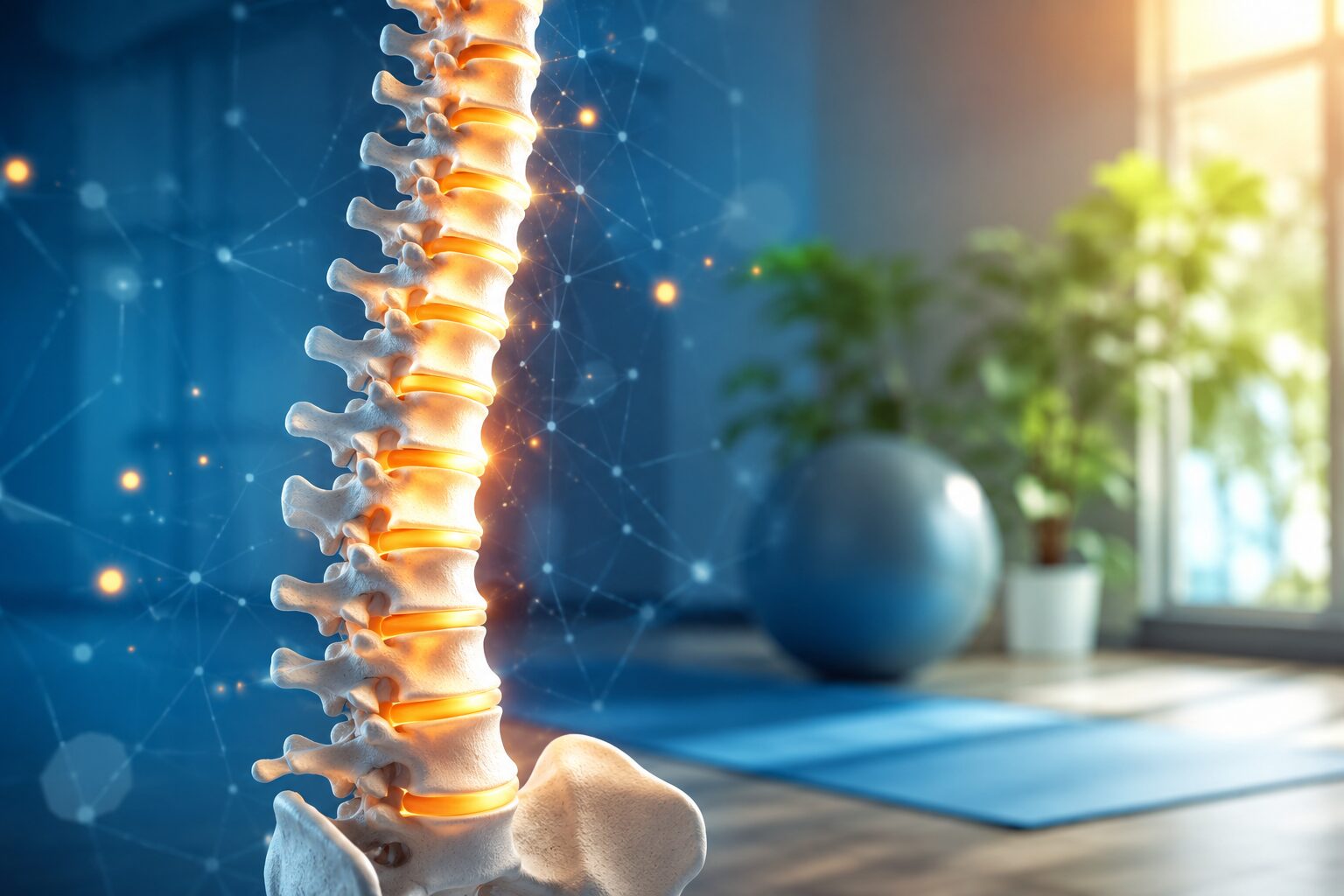
What to Expect During Your Journey to a Healthier Spine
Back and neck pain can affect every aspect of your life, from work productivity to enjoying time with your family. Fortunately, modern spinal care has transformed the way many spinal conditions are treated. If conservative treatments no longer provide relief, Minimal Invasive Spine Surgery in Pune may offer a safe and effective solution with less pain and faster recovery.
Understanding each stage of your treatment journey can help you feel confident and prepared. This guide explains what to expect from diagnosis to recovery and how advanced spine care can help you return to a healthier, more active lifestyle. Patients suffering from chronic back pain, slipped discs, spinal stenosis, or requiring Sciatica Treatment can benefit from a personalized treatment plan designed by an experienced spine specialist. Modern minimally invasive techniques use small incisions and specialized instruments, reducing tissue damage and promoting quicker healing compared to traditional surgery.
What Causes Spine Problems?
Your spine supports your body, protects the spinal cord, and allows movement. However, age, injury, poor posture, obesity, repetitive strain, and degenerative conditions can lead to spinal disorders such as:
- Herniated (slipped) disc
- Spinal stenosis
- Degenerative disc disease
- Spondylolisthesis
- Sciatica
- Spinal instability
Persistent pain, numbness, tingling, or weakness in the arms or legs should never be ignored. Early diagnosis can prevent complications and improve treatment outcomes.
How Is Your Spine Condition Diagnosed?
Your journey begins with a detailed consultation with a spine specialist. During this stage, your doctor will:
- Review your medical history
- Understand your symptoms
- Perform a neurological examination
- Assess movement and posture
- Recommend imaging tests such as MRI, CT scan, or X-rays
These evaluations help determine the exact cause of your pain and whether surgery is necessary. In many cases, non-surgical treatments are attempted before surgery is considered.
When Is Surgery Recommended?
Not every spine condition requires surgery. Doctors usually recommend surgery only when:
- Pain persists despite medications and physiotherapy
- Daily activities become difficult
- Nerve compression causes weakness or numbness
- Walking becomes painful
- There is loss of bladder or bowel control
- The spinal condition continues to worsen
When conservative treatments fail, Minimal Invasive Spine Surgery in Pune provides an advanced option that minimizes tissue damage while effectively treating the underlying spinal problem.
What Is Minimally Invasive Spine Surgery?
Minimally Invasive Spine Surgery (MISS) uses specialized instruments, tiny cameras, and advanced imaging technology through very small incisions instead of large surgical cuts.
Unlike conventional open surgery, muscles are gently separated rather than cut, reducing trauma to surrounding tissues.
This approach may be recommended for:
- Herniated discs
- Lumbar spinal stenosis
- Certain spinal fractures
- Spinal instability
- Degenerative disc disease
- Some spinal deformities
The goal is to relieve pressure on nerves while preserving healthy tissues.
What Happens Before Surgery?
Preparation is an important part of achieving the best surgical outcome.
Your surgeon may recommend:
- Blood investigations
- ECG and chest evaluation
- Medication review
- Temporary discontinuation of blood thinners
- Lifestyle adjustments such as quitting smoking
- Fasting before surgery
You will also receive detailed instructions regarding hospital admission and post-operative care.
What Can You Expect During Surgery?
On the day of surgery:
- You’ll receive anesthesia.
- Small incisions are made near the affected spinal level.
- Specialized surgical instruments and high-definition imaging guide the procedure.
- The surgeon removes the source of nerve compression or stabilizes the spine as needed.
- The incisions are carefully closed.
Most minimally invasive procedures involve significantly less blood loss and reduced muscle injury compared to traditional spine surgery.
What Is Recovery Like?
One of the biggest advantages of minimally invasive surgery is a faster recovery.
Many patients experience:
- Reduced post-operative pain
- Shorter hospital stay
- Smaller scars
- Lower infection risk
- Faster return to normal activities
Walking is often encouraged soon after surgery, depending on the procedure and individual condition.
Your doctor may recommend:
- Physiotherapy
- Stretching exercises
- Core strengthening
- Proper posture correction
- Weight management
- Regular follow-up appointments
Recovery timelines vary depending on the patient’s health and the complexity of surgery.
How Does Sciatica Treatment Fit Into Your Spine Care Journey?
Many patients seek treatment because of severe leg pain caused by compressed spinal nerves.
Effective Sciatica Treatment begins with identifying the exact source of nerve irritation. While medications, injections, and physiotherapy help many patients, persistent or severe nerve compression may require minimally invasive surgery.
By relieving pressure on the affected nerve, surgery can significantly reduce pain, numbness, and weakness while improving mobility and quality of life.
Why Choose Minimally Invasive Spine Surgery?
advantages:
- Smaller incisions
- Less blood loss
- Reduced muscle damage
- Lower risk of infection
- Less postoperative pain
- Faster rehabilitation
- Earlier return to work
- Improved cosmetic results
These benefits make minimally invasive techniques suitable for many spinal conditions when performed by an experienced spine surgeon.
How Can You Maintain a Healthy Spine After Recovery?
Successful surgery is only one part of long-term spine health.
Healthy habits include:
- Regular exercise
- Maintaining ideal body weight
- Good sitting posture
- Proper lifting techniques
- Sleeping on supportive mattresses
- Core strengthening exercises
- Avoiding prolonged sitting
- Staying physically active
These lifestyle changes reduce stress on the spine and help prevent future problems.
Related Spine Care Services
If you experience persistent lower back discomfort, learn more about Lower Back Pain Treatment in Pune for comprehensive evaluation and personalized treatment options.
Frequently Asked Questions (FAQs)
Is minimally invasive spine surgery painful?
Most patients experience significantly less pain than traditional open spine surgery due to smaller incisions and reduced muscle damage.
How long is the recovery period?
Recovery varies depending on the procedure, but many patients resume light activities within a few weeks.
Will I need physiotherapy after surgery?
Yes. Physiotherapy is often recommended to improve flexibility, strength, and long-term spinal health.
Can minimally invasive surgery treat sciatica?
Yes. Many patients with severe nerve compression causing sciatica benefit from minimally invasive procedures.
Is everyone a candidate for minimally invasive spine surgery?
No. Your spine specialist will determine whether the procedure is appropriate based on your diagnosis, imaging findings, and overall health.
Final Thoughts
A healthier spine begins with an accurate diagnosis and the right treatment plan. Modern surgical techniques have made spine surgery safer, more precise, and less invasive than ever before. Whether you are struggling with chronic back pain or require advanced Sciatica Treatment, consulting an experienced spine specialist can help you regain mobility and improve your quality of life.
Early intervention and personalized care remain the keys to achieving the best possible outcome.
Connect With Us
Dr. Sachin Mahajan – Spine Specialist
Sahyadri Speciality Hospital
Shastri Nagar Chowk, Near Yerwada Police Station, Pune – 411006
Phone: +91 7350311211
Phone: +91 9673338245
Email: dr.sdmahajan@gmail.com
Book your consultation today and take the first step toward a healthier, pain-free spine.